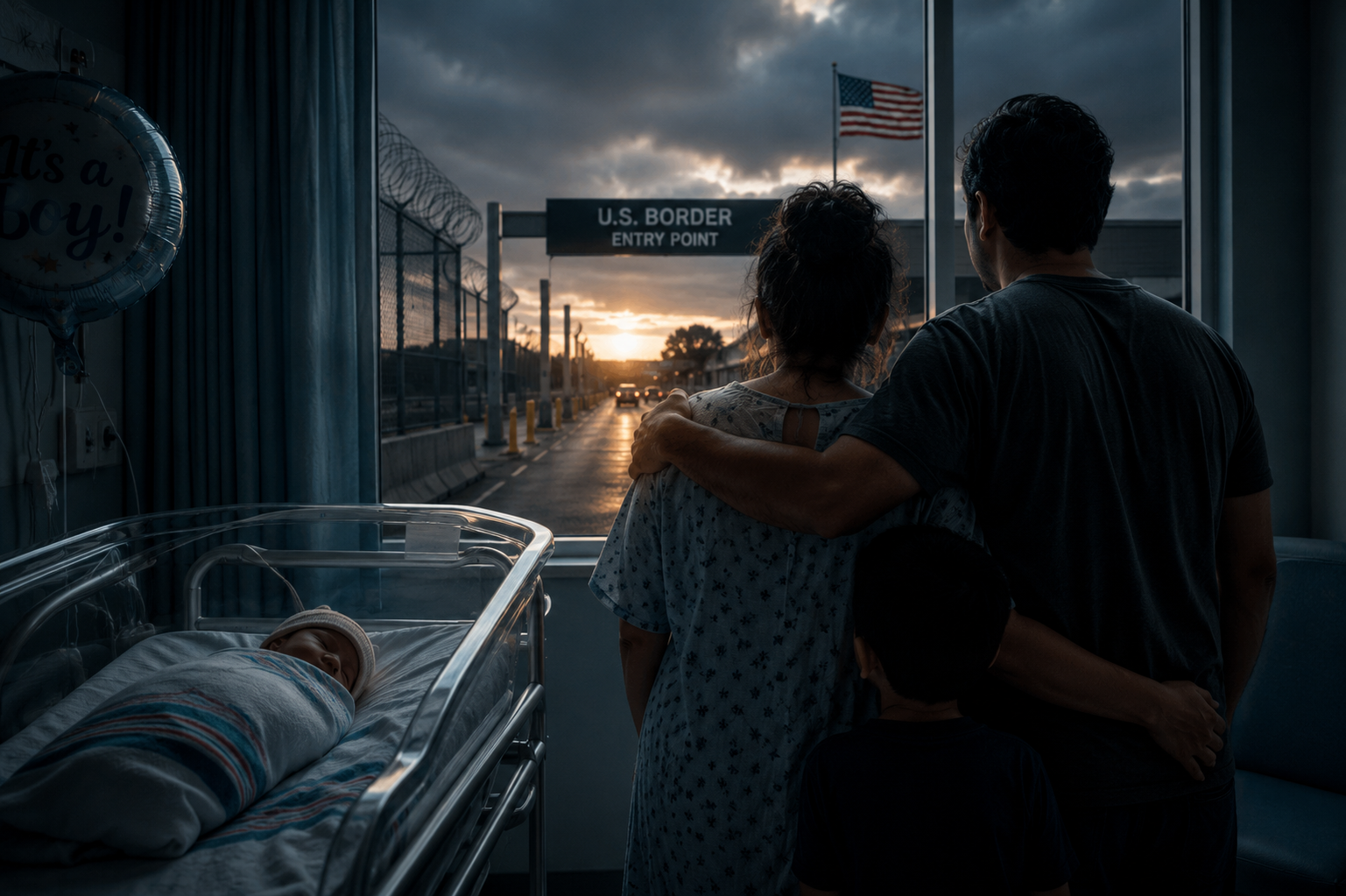
Now the Focus Shifts to Border Security.
The Supreme Court has ruled that children born on U.S. soil are U.S. citizens under the Fourteenth Amendment. Whether you agree with the decision or not, one practical consequence is clear: If birthright citizenship remains the constitutional rule, border security and immigration enforcement become even more important.
The first line of defense is no longer a constitutional challenge to birthright citizenship. It is preventing unlawful entry into the United States and enforcing our immigration laws consistently.
This isn’t just about public policy. It also affects children. No child should begin life amid legal uncertainty because adults chose to violate our immigration laws. A nation built on the rule of law should have an immigration system that is orderly, humane, and consistently enforced.
The Court has defined the constitutional standard. It is now up to Congress and the Executive Branch to secure the border, enforce the law, and build an immigration system that serves both the American people and those seeking to enter legally.
What do you think Congress’s next step should be?
An immigration system that encourages unlawful entry is not in the best interests of the United States or of the families who put themselves and their children in that situation.
If birthright citizenship remains the constitutional rule, the greatest influence Congress and the Executive Branch have over future immigration outcomes is effective border security and consistent enforcement of our immigration laws.